RTI Reveals Cabinet Secretariat Sent Election Commissioners’ Letters to CEC Gyanesh Kumar
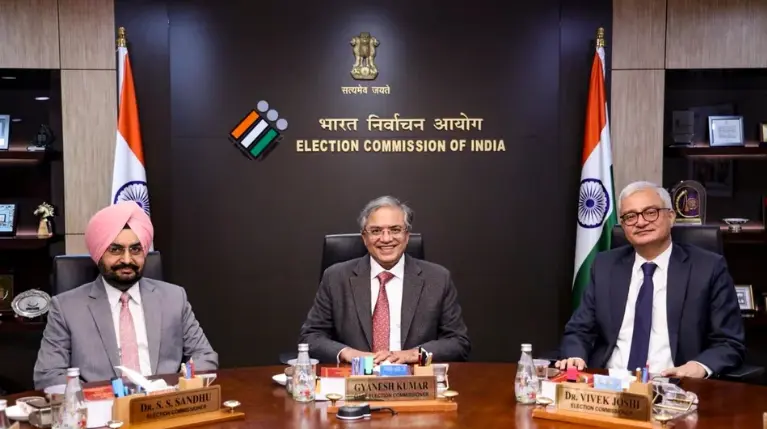
The Cabinet Secretariat forwarded letters written by Election Commissioners Sukhbir Singh Sandhu and Vivek Joshi to Chief Election Commissioner Gyanesh Kumar, according to documents disclosed under the Right to Information (RTI) Act. The letters raised concerns about the alleged conduct of senior deputy election commissioner Maneesh Garg and a disputed work-allocation order within the Election Commission of India.
The disclosure provides details of how the Cabinet Secretariat handled the communications and why officials decided against taking immediate action on the complaints.
Sandhu and Joshi wrote separate letters to Cabinet Secretary T. V. Somanathan on July 29, 2026. Their complaints concerned a work-allocation order issued by Garg on July 28, when he was reportedly handling additional administrative responsibilities.
According to the concerns recorded in the official documents, Garg revised the allocation of work among senior officials without discussing the changes with the Commissioners or the officers concerned. The letters also referred to previous instructions requiring consultation or approval before such changes were made.
Joshi reportedly raised another concern, stating that a file requested from the Administration Division had not been provided to him. The Commissioners argued that the changes departed from established procedures and raised questions about compliance with the rules governing the Commission's functioning.
### Cabinet Secretariat Considered Seeking CEC's Opinion
Documents released in response to an RTI application show that the Cabinet Secretariat examined the complaints in early August.
An internal note dated August 3 proposed seeking the opinion of Chief Election Commissioner Gyanesh Kumar on the letters. However, a subsequent note dated August 4 highlighted that the communications had been submitted by the two Election Commissioners in their individual capacities and did not constitute a formal communication from the Election Commission as a whole.
Officials noted that the Election Commission is an independent constitutional body whose functioning must remain protected from executive interference. They cautioned that taking action against an officer without an official communication from the Commission collectively could be viewed as interference in its functioning.
The Secretariat therefore decided to acknowledge the letters and inform the relevant authorities rather than initiate action on the complaints at that stage.
### Letters Forwarded to CEC's Office and DoPT
The Cabinet Secretary acknowledged receipt of the two letters on August 5, 2026. Copies of the acknowledgements were marked to the Department of Personnel and Training (DoPT), its Establishment Officer and the principal private secretary to the Chief Election Commissioner.
The RTI disclosure confirms that the CEC's office was also informed about the correspondence. An earlier report by Hindustan Times had revealed that the letters were forwarded to DoPT, while the newly disclosed records provided additional details about the communication with the CEC's office.
The matter was also placed on record for possible consideration in future decisions concerning the officer.
### Election Commission's Response
The Election Commission had issued a clarification on September 26, stating that the letters concerned the functioning of an officer on deputation and were not related to a policy matter involving the Commission or its IT division.
The poll body also stated that the disputed work-redistribution orders were not implemented following directions from the two Commissioners. It maintained that oversight of the IT division had not actually been withdrawn.
These clarifications provide important context to the dispute and distinguish the proposed administrative changes from measures that were ultimately implemented.
### What the RTI Disclosure Establishes
The documents establish the movement of the letters through the Cabinet Secretariat, including the internal discussions held on August 3 and 4 and the acknowledgements issued on August 5.
They also explain why officials considered immediate intervention inappropriate without a formal communication from the Commission as a whole.
However, the allegations against Maneesh Garg should not be treated as proven misconduct. The forwarding of the letters establishes that the relevant offices were informed, but it does not independently establish what subsequent action the CEC or other authorities may have taken.
The disclosure brings greater transparency to the handling of an administrative dispute involving senior Election Commission officials. Any further conclusions about the allegations or their consequences would require additional official records or statements from the authorities concerned.