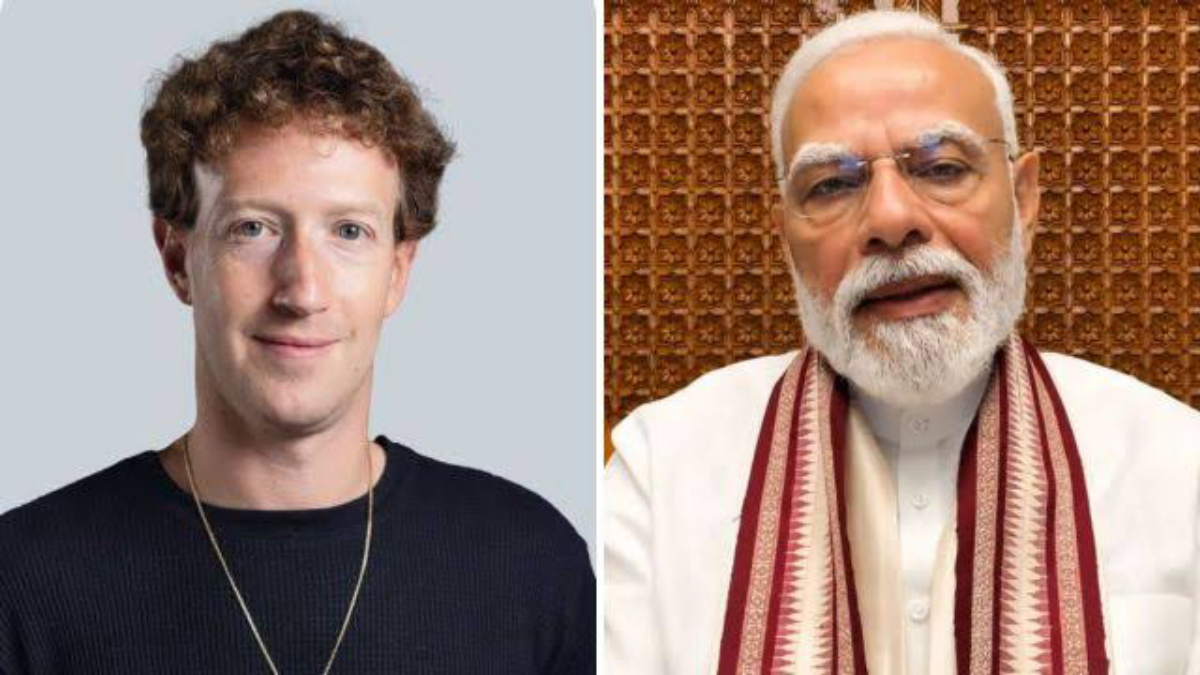
The temporary removal of Prime Minister Narendra Modi's Facebook video has escalated into a major political and regulatory controversy, extending far beyond what Meta described as a technical error. The incident has sparked debate in Parliament and across social media, with the Parliamentary Standing Committee on Communications and Information Technology issuing a three-day ultimatum to Meta CEO Mark Zuckerberg to publicly apologise.
The committee warned that if Meta fails to take action against those responsible, it may recommend a review of the company's **Safe Harbour** protection in India, a legal safeguard that limits an intermediary's liability for user-generated content under certain conditions.
Chaired by BJP MP Nishikant Dubey, the committee described the incident as a serious matter, questioning how a video posted by India's Prime Minister could be removed from one of the world's largest social media platforms despite Meta's advanced technology and content moderation systems.
In its communication to the Ministry of Electronics and Information Technology (MeitY) and the Ministry of Home Affairs, the committee argued that Meta's role in this case appeared closer to that of a publisher than a neutral intermediary, making the company directly accountable for the incident.
The panel further stated that if Zuckerberg does not apologise within three days and the company fails to identify and act against those responsible, legal options may be considered. It also warned that affected individuals could file multiple FIRs against the company and its officials.
## How the Controversy Began
The issue began after Prime Minister Narendra Modi shared a selfie-style video on Instagram, which was later posted on Facebook. In the video, he addressed young people and promised strict action against examination paper leaks during student protests led by the satirical Cockroach Janta Party (CJP).
Shortly after the video was published, the Facebook version was temporarily removed. Following widespread public criticism, Meta restored the post and attributed the removal to a technical error.
Although the company issued an apology, the Ministry of Electronics and Information Technology reportedly rejected the explanation as unsatisfactory, stating that a global technology company should have stronger safeguards to prevent such incidents.
Meta executives later appeared before the Parliamentary Committee, where lawmakers questioned the company over the circumstances surrounding the removal.
## Why Is Safe Harbour at the Centre of the Debate?
Social media platforms in India currently receive **Safe Harbour** protection under the law, which generally shields intermediaries from automatic liability for content posted by users, provided they comply with legal requirements.
However, if a platform is found to be acting like a publisher rather than a neutral intermediary, its legal protection could come under scrutiny. The committee has indicated that Meta's actions in this case warrant such a review.
## Meta Also Faces Scrutiny Over Child Safety
The controversy surrounding PM Modi's video comes at a time when Meta is already under regulatory pressure over allegations involving paid advertisements containing **Child Sexual Abuse Material (CSAM)** on Instagram.
The government had previously issued a notice to the company regarding the issue. The Parliamentary Committee has now warned major platforms—including Google, YouTube, X, Facebook, WhatsApp, Instagram and Snapchat—to strictly comply with India's child protection laws or face legal consequences.
According to the National Crime Records Bureau (NCRB), 1,099 of the 1,238 cybercrime cases involving children registered in 2024 were related to the publication or transmission of sexually explicit material involving minors. Overall, crimes against children rose to nearly 187,000 cases, reflecting a significant increase compared to previous years.
Nishikant Dubey said that child sexual abuse material, AI-generated obscene content and deepfake videos targeting women are serious offences that cannot be tolerated. He added that the safety of children and women is above politics and should remain a national priority.
## A Bigger Question: What Happens When an Ordinary Citizen's Content Is Removed?
Beyond the political controversy, the incident has also triggered a broader debate about accountability on social media platforms.
Many users have questioned whether the same level of urgency and accountability is applied when ordinary citizens, journalists, content creators or social activists have their posts or videos removed or restricted without clear explanations.
Users frequently report that their content is taken down, their reach is limited, or their accounts are restricted without transparent reasons. In many cases, appeals take considerable time or fail to provide meaningful explanations.
Digital rights experts argue that content moderation policies should be applied equally to everyone, regardless of a person's status or position. Whether the affected individual is the Prime Minister or an ordinary citizen, users should receive a clear explanation, access to a fair appeals process and timely resolution whenever content is removed.
The controversy has reignited a larger conversation about whether social media platforms are truly operating with transparency, accountability and equal treatment for all users—or whether meaningful accountability emerges only when high-profile political figures are involved.