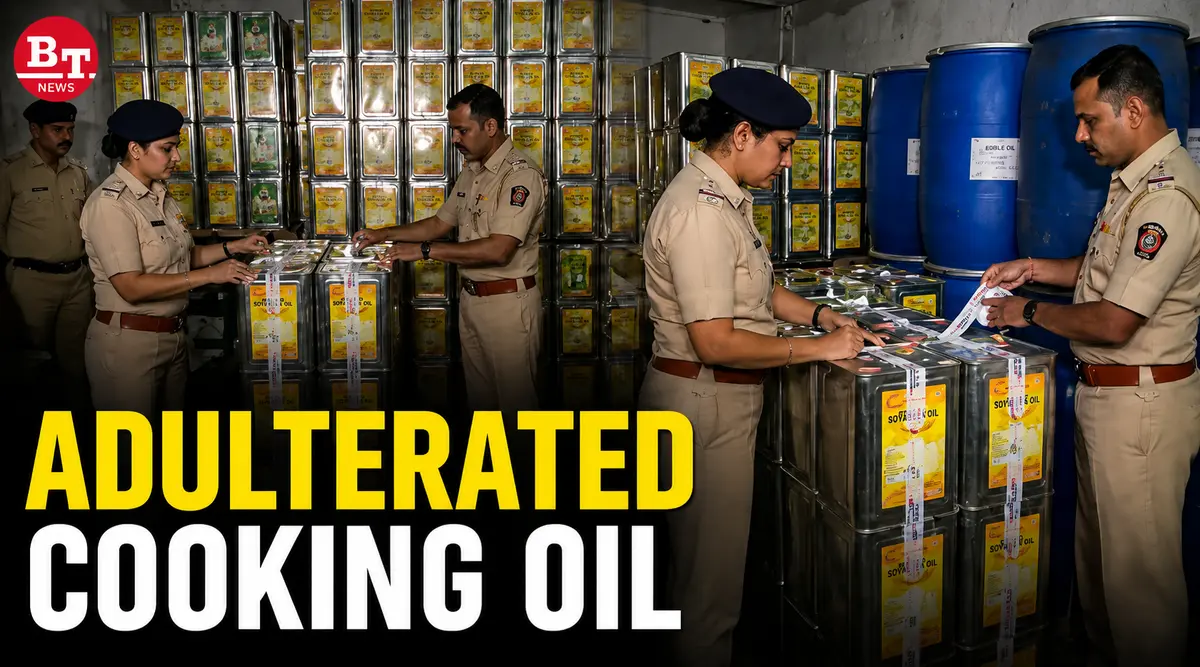
Mumbai, August 21, 2026: The Maharashtra Food and Drug Administration (FDA) has stepped up its action against the sale of loose edible oil across the state. Under the latest directions issued by the department, edible oil should not be sold to consumers in loose or unpackaged form. The move is part of the state's wider “Safe Food, Safe Maharashtra” campaign and is aimed at preventing adulteration and improving food-safety standards.
The FDA has also warned businesses involved in the edible-oil trade that violations of food-safety regulations could lead to legal action. The department's focus is not only on retail shops but on the entire supply chain through which edible oil reaches consumers.
Why Is Maharashtra Acting Against Loose Oil?
One of the major concerns raised by the FDA is that loose oil is difficult to trace. When oil is sold from an open container, consumers may not know its original manufacturer, production details or source. This can make it harder for authorities to investigate the product if a food-safety complaint or poisoning incident is reported.
FDA Commissioner Tukaram Mundhe has urged people to avoid buying edible oil that is sold loose or without a proper seal. The department has linked the crackdown to concerns over adulteration, unsafe storage and improper packaging practices.
What Action Will Be Taken Against Sellers?
The latest move is not simply an advisory for shopkeepers. The FDA has indicated that enforcement action will be taken against businesses found selling loose edible oil in violation of the applicable food-safety requirements.
Officials can inspect establishments, check oil stocks and verify packaging, labelling and other compliance requirements. Businesses found violating the rules may face proceedings under the Food Safety and Standards Act and related regulations.
Reports on the FDA's warning state that serious food-safety violations can attract penalties of up to ₹10 lakh and imprisonment of up to seven years. Depending on the nature and seriousness of an offence, the applicable law can provide for even more severe punishment.
Retailers Must Be Careful About Their Oil Stock
The new enforcement drive is particularly important for grocery stores and small retailers that traditionally sell cooking oil from drums, cans or other bulk containers.
Shopkeepers should ensure that the edible oil they purchase from suppliers complies with the required food-safety, packaging and labelling standards. Retailers should also maintain proper purchase records so that the source of the products can be established if required during an inspection.
The FDA's directions extend beyond ordinary grocery stores. Manufacturers, processors, repackers, distributors, wholesalers, transporters, retailers and online sellers involved in the edible-oil business can all come under the regulatory framework.
Old and Reused Containers Also Under Scrutiny
The FDA has raised concerns about the use of old, damaged or repeatedly reused containers for edible oil. Improper containers can create hygiene and contamination risks and may also make it difficult to establish the product's original source.
The department has therefore placed greater emphasis on proper packaging and traceability throughout the supply chain. Reusing containers in a manner that violates applicable packaging requirements can also invite regulatory action.
Which Cooking Oils Are Affected?
The crackdown concerns edible oils commonly used by households and food businesses, including soybean, groundnut, mustard, sunflower, safflower, cottonseed, rice bran, palm, coconut, sesame and corn oils, along with other edible oils and fats covered by food-safety regulations.
This means the issue is not limited to one particular type or brand of cooking oil. Retailers are expected to follow the applicable requirements for the edible oils they sell.
FDA's Message to Consumers
The FDA has asked consumers to be cautious while purchasing cooking oil. Buyers should check whether the package is properly sealed and whether the label contains the necessary product information.
Consumers should also avoid purchasing oil from open drums, cans or containers when the product is being sold without the required packaging and labelling. A properly packed product makes it easier to identify the manufacturer, batch information and other details if a quality complaint arises.
Will This Affect Grocery Shops in Bhandara?
Yes. Since the directions apply across Maharashtra, grocery stores and other edible-oil retailers in Bhandara will also need to follow the applicable requirements.
Shopkeepers who currently sell cooking oil in loose form should review their stock and purchasing practices and shift to compliant packaged products. Consumers in Bhandara can also check the packaging and seal before purchasing edible oil from local shops.
Why the FDA's Action Matters
Edible oil is used regularly in homes, hotels, restaurants, bakeries and other food businesses. Any problem involving adulteration, contamination or unsafe storage can therefore affect a large number of consumers.
The FDA's latest action is intended to bring greater accountability to the edible-oil supply chain and make it easier to identify the source of a product when a food-safety issue occurs.
What Should Consumers Do Now?
Consumers do not need to stop buying edible oil. Instead, they should prefer products sold in sealed, properly labelled and compliant packaging. Before purchasing, buyers can check the brand, manufacturer details, packaging condition and other information printed on the product.
Bottom Line
Maharashtra has intensified its crackdown on loose edible oil sales, with the FDA warning sellers that violations can result in inspections and legal proceedings. The department's message is clear: edible oil must meet the applicable food-safety and packaging requirements, while consumers should avoid buying oil that is openly sold without proper packaging or a seal.
Note: The exact action and penalty in an individual case will depend on the nature of the violation and the provisions applicable under food-safety law. The latest FDA drive is focused on improving food safety, preventing adulteration and strengthening traceability in the edible-oil market.