Bhutan Glacial Lake Outburst Triggers Flood Alert in West Bengal and Assam; Thousands Evacuated
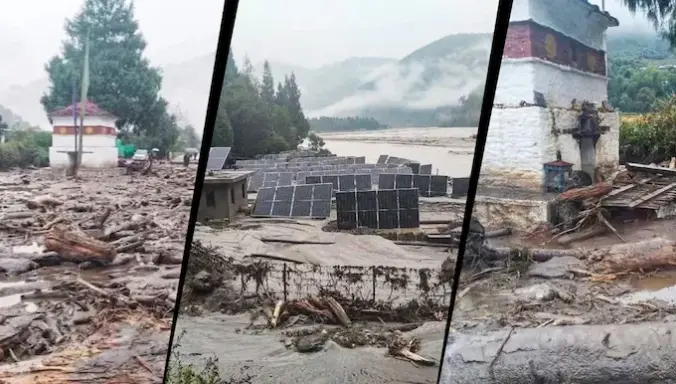
New Delhi, October 30, 2026: A reported glacial lake outburst flood (GLOF) in Bhutan has triggered high flood alerts in parts of West Bengal and Assam, raising concerns about a possible sudden rise in water levels along the Sankosh River and its connected river systems.
The incident was reported on Thursday evening at Shintaphu Lake, also referred to as Chintaphu in some reports, located in Bhutan's Gasa district near Wakila Mountain. The release of water into the Mo Chhu river system has raised concerns about possible downstream flooding in neighbouring Indian regions.
Authorities in West Bengal have advised residents living close to riverbanks and vulnerable low-lying areas to move to safer locations as a precaution.
Thousands of Residents Moved to Safer Locations
Alipurduar district in North Bengal has been among the areas placed on high alert. Residents living along the Sankosh River and its tributaries have been advised to leave vulnerable locations.
According to reports, approximately 4,000 to 5,000 people have been moved to relief shelters, while more than 6,000 others have been shifted to safer locations. Schools and other public buildings have been used as temporary shelters.
Local authorities and police teams are coordinating evacuation efforts and monitoring areas that could be affected by rising water levels.
West Bengal Forest Minister Manoj Kumar Oraon appealed to residents, particularly those living near riverbanks and tea garden areas, to follow official instructions and move to safer ground.
Assam Districts Also on Alert
The possible downstream impact has prompted authorities in Assam to strengthen preparedness measures, particularly in Dhubri district.
The Sankosh River flows from Bhutan into India and is part of a wider river network connected to the Brahmaputra basin. A sudden increase in its water level could affect riverside settlements, agricultural land, livestock and local infrastructure.
Assam Chief Minister Himanta Biswa Sarma said the state government was closely monitoring the situation. The Dhubri district administration and disaster response teams have been placed on alert to deal with any possible emergency.
Officials are maintaining coordination with relevant agencies to assess the movement of floodwater and its potential impact on vulnerable areas.
Bhutan Also Reports Damage from Floodwaters
The glacial lake outburst has also affected infrastructure in Bhutan.
Reports indicate that facilities at Gasa Tshachu, a popular natural hot spring located near the Mo Chhu River, were washed away or severely damaged by the floodwaters.
Sections of the Punakha-Gasa Highway were also reportedly covered by debris carried by the rising water.
No casualties were reported from the affected hot spring area in the initial reports, as precautionary evacuation measures had been carried out. Authorities were continuing to assess the extent of the damage.
What Is a Glacial Lake Outburst Flood?
A Glacial Lake Outburst Flood, commonly known as a GLOF, occurs when water stored in a lake formed by melting glaciers is suddenly released.
Glacial lakes are often held back by natural barriers made of ice, rocks and loose glacial material. If these barriers collapse or are breached, large volumes of water can rush downstream through mountain valleys.
Such floods can carry rocks, mud and other debris, potentially damaging roads, bridges, settlements and other infrastructure.
Shintaphu Lake is identified as one of Bhutan's potentially dangerous glacial lakes, making monitoring and early-warning systems important for communities living downstream.
Authorities Continue Monitoring the Situation
Officials in India and Bhutan are monitoring river conditions and coordinating emergency preparedness measures. Disaster response teams have been mobilised, while residents in vulnerable locations have been urged to follow evacuation advisories.
The immediate concern remains the scale of the water release and its possible impact on communities along the Sankosh River.
Authorities have appealed to people not to panic, but to take official warnings seriously, avoid riverbanks and refrain from returning to evacuated areas until clearance is given.
The incident once again highlights the flood risks faced by communities living along Himalayan river systems and the importance of early-warning mechanisms and cross-border cooperation between neighbouring countries.